
A Roofing Sub Held to Your Schedule, Not a Separate One
A general contractor building a new cross-dock facility or renovating a retail strip in Laredo needs a roofing sub whose delay does not become the whole project's delay. We build our schedule commitments around your critical path, and we submit paperwork the way your project managers actually need it.
Submittals That Do Not Bounce Back for Revisions
A submittal package that gets kicked back for missing information costs a GC time you did not budget for. We put together manufacturer data, warranty terms, and installation details in the format your architect and owner's rep expect the first time, because we know a bounced submittal on the roofing package can hold up a much larger sequence of trades waiting to close in the building.
We also flag long-lead materials early, particularly specialty membrane or insulation orders, so procurement timing is part of the schedule conversation from the pre-construction meeting, not a surprise discovered mid-project.
New Construction in Laredo's Industrial Corridor Moves Fast
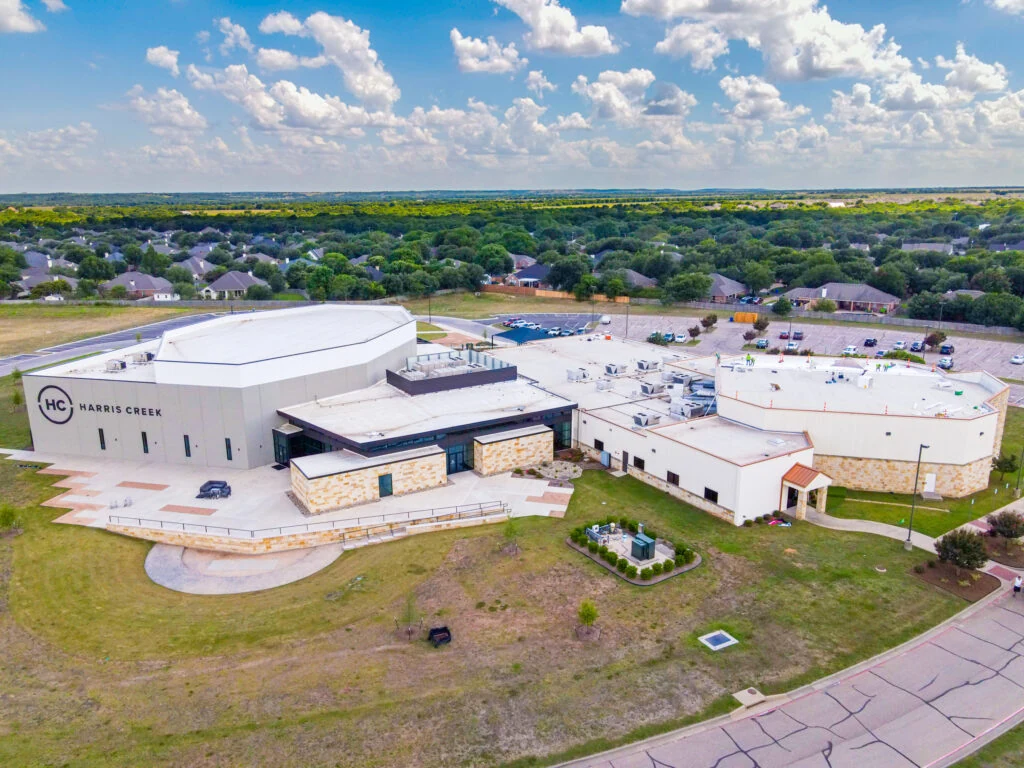
The pace of warehouse and distribution development around Killam Industrial Park and the Unitec business parks means a lot of our GC work is new construction on a compressed schedule, not a repair call. On that kind of job, the roof has to close in on the timeline the steel erector and the mechanical trades are counting on, because every day the building is not dried in delays interior trades that are also on your critical path. That pressure only grows as more developers compete for the same subcontractor labor pool along the I-35 corridor.
- Confirming deck readiness and any punch items before roofing crews mobilize
- Sequencing curb and penetration coordination with mechanical and electrical subs
- Tracking weather windows against the roofing schedule during peak summer heat
- Coordinating temporary dry-in if interior trades need to start before final membrane
- Delivering closeout documents on the timeline your final punch list requires
Coordinating Curbs and Penetrations Before They Become a Change Order
Rooftop unit locations, conveyor penetrations, and skylight placements often shift during construction as mechanical and electrical trades finalize their layouts. We stay in the coordination loop on those changes rather than showing up to install a roof around curb locations that were finalized without us, because a late-discovered conflict between a curb and a structural member becomes an expensive change order for everyone on the job.
When a change does happen, we price it fast and in writing so it does not sit as an open item holding up your change order log at the end of the project. A stalled change order is one of the more common reasons a final closeout slips past the date everyone originally agreed to.
Warranty Coordination Between the Sub and the GC's Overall Warranty
A manufacturer's roof warranty has its own terms and its own inspection requirements that need to line up with the general warranty period you are offering the owner. We handle the manufacturer registration and inspection scheduling directly, and we tell you exactly what the roof warranty covers and excludes so it is not a surprise question during your one-year walkthrough with the owner.
Tenant Improvement and Occupied-Building Work Has Its Own Rules
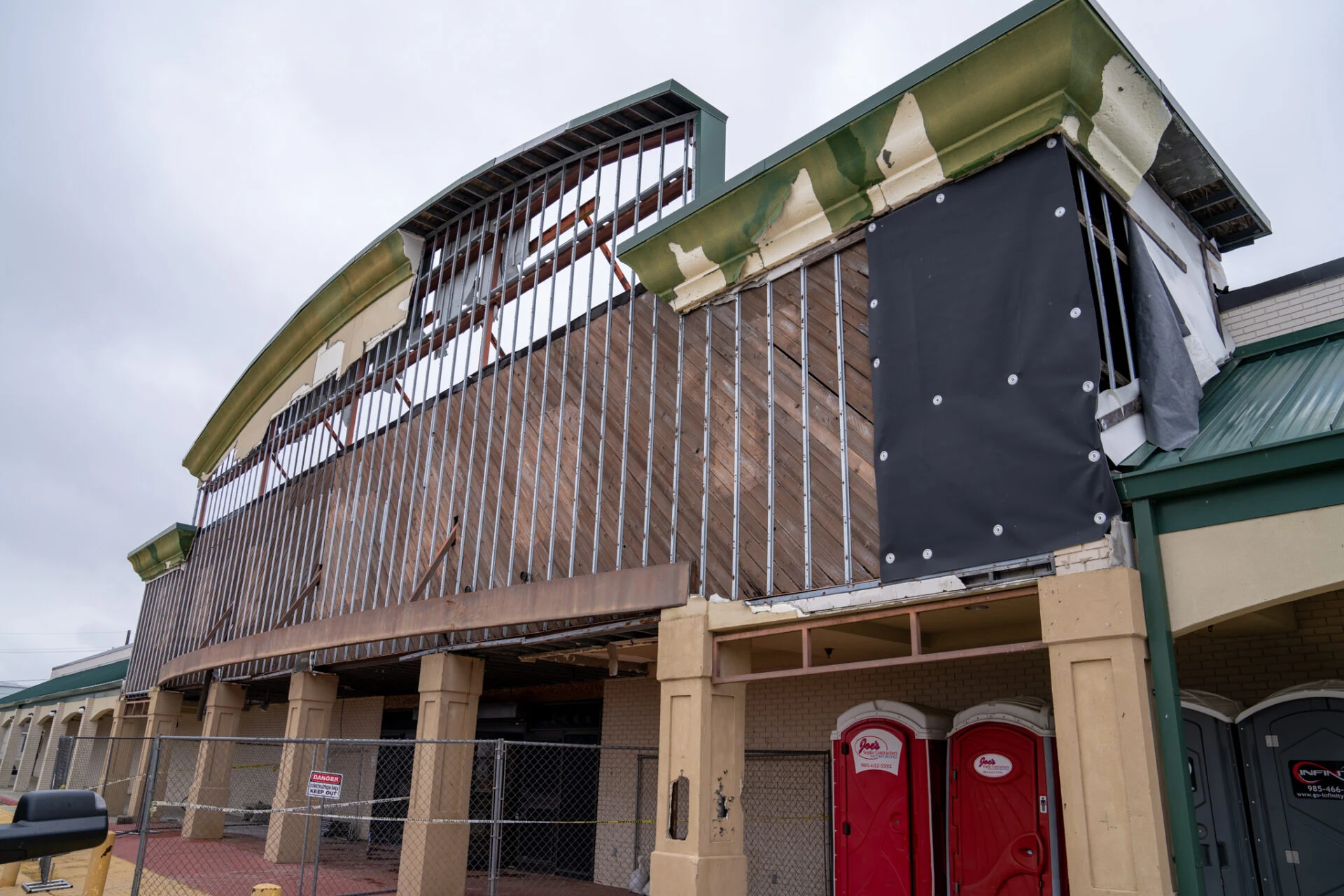
Not every job with a GC is ground-up new construction. Reroofing over an occupied retail strip or office building under a GC's renovation contract means coordinating around tenants who are not part of your contract but whose operations still matter to the schedule. We bring that occupied-building experience into the GC relationship rather than treating every job like an empty new-construction site. See our commercial reroofing page for how that scope is typically structured.
We also work directly with your superintendent on daily coordination rather than requiring every question to route through a project manager's office, since a roofing crew's schedule can shift within a single day based on weather or a mechanical trade running behind, and the superintendent on site is usually the person who needs that update first.
Punch List Response Time Reflects on Your Contract Too
A slow-to-close punch item on the roofing scope holds up your final retainage release and your closeout with the owner, so we treat punch list response as a priority rather than fitting it in around new work. When your project manager flags an item, we schedule the fix and confirm completion in writing on a turnaround that respects your project's closeout deadline.
Questions General Contractors Ask Before Adding Us to a Bid List
Will your submittal package need multiple rounds of revision?
We format submittals to your architect's and owner's rep's requirements from the first pass, and we flag any long-lead material early so procurement is not the surprise that holds up the schedule.
Can you hold a compressed new-construction schedule?
Yes, and we track the roofing schedule against the summer heat window specifically, since extreme temperatures affect certain installation methods more than others.
How do you handle curb and penetration changes mid-project?
We stay in the mechanical and electrical coordination loop so changes get priced immediately in writing rather than surfacing as a late change order.
Who manages the manufacturer warranty registration?
We handle that directly and tell you exactly what is covered, so it does not become an open question during the owner's one-year walkthrough.
Do you handle occupied-building renovation work in addition to new construction?
Yes, we regularly reroof over active tenants under a GC's renovation contract and build the tenant coordination into the schedule from the start.