Strip Center Roofs Cross Tenant Lines Even When the Lease Doesn't
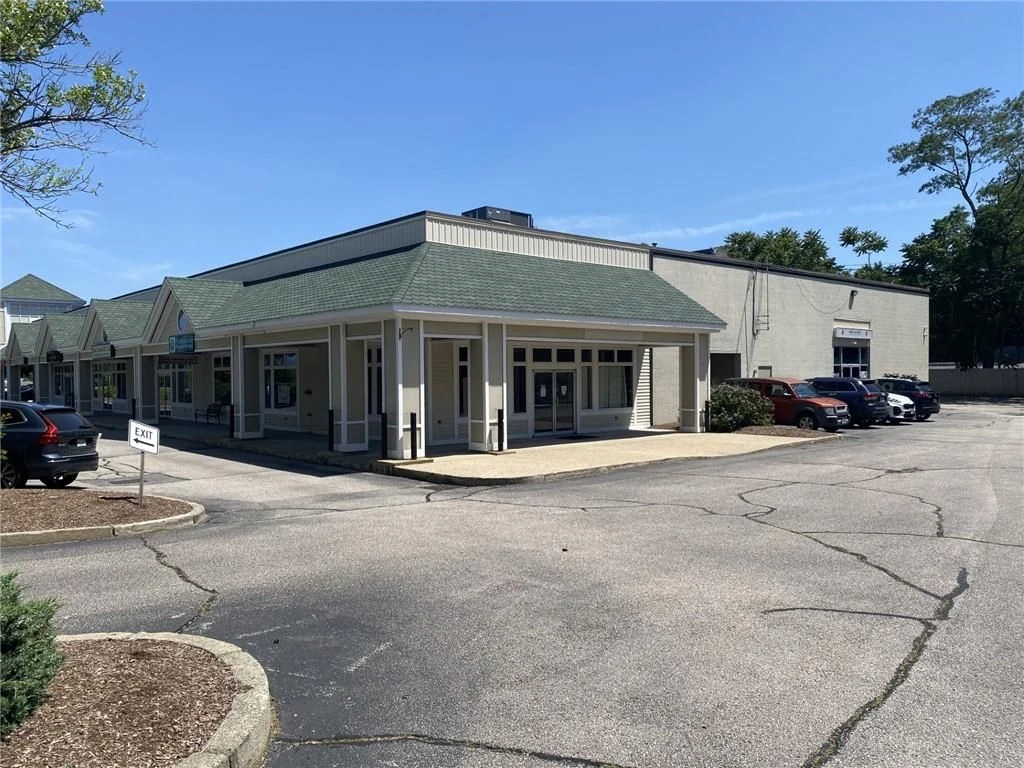
Retail strips along San Bernardo Avenue, McPherson Road, and the Bob Bullock Loop share one continuous roof deck across multiple tenant spaces, and water doesn't respect the lease lines that split up who's responsible for what. We trace leaks to their actual source rather than stopping at the tenant space where the ceiling stain shows up.
One Roof, Several Storefronts, and a CAM Fee That Doesn't Always Cover the Real Problem
Common area maintenance fees in a strip center are supposed to cover shared roof upkeep, but the actual cause of a leak is often a specific tenant's signage penetration, satellite dish, or HVAC curb rather than a general roof-age issue the CAM budget assumes it's paying for.
We inspect the whole roof deck as a system and identify exactly which tenant's equipment or signage penetration is the source, so property managers and tenants aren't stuck arguing over a general theory of the leak.
That kind of section-specific finding also helps sort out whether a repair falls under CAM-funded shared maintenance or a specific tenant's lease responsibility.
We put that finding in writing with photos of the specific curb, sign bracket, or penetration in question, which gives the property manager something concrete to reference in a tenant conversation instead of a verbal description that's easy to dispute.
Signage and Storefront Penetrations Are a Constant Source of Small Leaks
Retail tenants change signage more often than they replace HVAC equipment, and every new sign, awning bracket, or conduit run through the roof deck is a potential leak point if it isn't flashed to the same standard as the rest of the roof.
We see a lot of strip center leaks trace back to a sign installer's penetration that was sealed with caulk instead of proper flashing, and that kind of fix fails within a season or two under Laredo's heat cycling.
When we repair these, we flash them the way we'd flash any other rooftop penetration, not as an afterthought patch.
We also flag any penetration that looks like it was added without coordination with the roofing membrane manufacturer, since an uncoordinated penetration can sometimes void warranty coverage on a section of roof that would otherwise still be under warranty.
Where a new tenant is preparing to move into a vacant storefront, we recommend a roof check before signage or equipment installation begins, since catching a marginal roof condition ahead of a build-out is a lot simpler than tracing a leak back through fresh tenant improvements later.
Coordinating Work Across Multiple Active Businesses
A strip center roof project means working above restaurants, retail shops, and service businesses that are all open during different hours, which changes how we stage material and schedule the noisiest phases of any repair.
We talk to the property manager first to understand which tenants are most sensitive to noise or access disruption, a restaurant during lunch service versus a shop with slower midday traffic, and build the schedule around that.
For a full recover across an entire strip, we section the work storefront by storefront so no single tenant loses access for the whole project duration.
- Roof-wide leak tracing across shared strip center decks
- Signage and storefront penetration flashing repair
- CAM-eligible versus tenant-responsibility documentation
- Scheduled repairs coordinated around active retail hours
- Section-by-section recover for full strip center roofs
- Storm damage assessment for multi-tenant retail buildings
Reporting That Property Managers Can Actually Use
A strip center property manager juggling several tenant relationships needs a roof report that identifies problems by location and likely responsibility, not a general statement that the roof needs attention.
We map our findings to specific roof sections and note whether the cause looks like general wear, weather damage, or a tenant-installed penetration, so the manager has what they need for tenant conversations and any CAM budget decisions.
When storm damage affects a strip center, we document which sections were hit and how severely, which supports an insurance claim without overstating or understating what actually happened.
We also send the same report to any tenant whose space was directly affected, since a restaurant owner dealing with water damage to inventory or equipment needs their own copy of the findings for their business insurance conversation, separate from whatever the property's own policy covers.
Where a strip center has both older sections and newer additions built at different times, we note the roof age difference clearly, since a claim covering storm damage to a newer section shouldn't get lumped in with wear that was already present on an older part of the deck.
Retail Strip Roofing Questions We Hear Most
How do you figure out which tenant's equipment is causing a leak?
We inspect the roof deck section by section and trace water paths back to the specific penetration or piece of equipment responsible, rather than assuming it's general roof age.
Can repairs happen without closing any of the storefronts?
In almost every case, yes. We coordinate scheduling with the property manager around each tenant's business hours.
Do you work with property management companies overseeing multiple strip centers?
Yes, and we keep our reporting consistent across properties so it's easy to compare roof condition center to center.
What's the most common cause of strip center roof leaks in Laredo?
Signage and storefront penetrations sealed with caulk instead of proper flashing, which fail faster here under sustained heat and UV.
How do you handle a full roof recover on a building with many tenants?
We section the project storefront by storefront so no tenant loses roof access or experiences disruption for the entire duration.