60-Mil TPO Membrane for Laredo's Smaller Flat-Roof Buildings
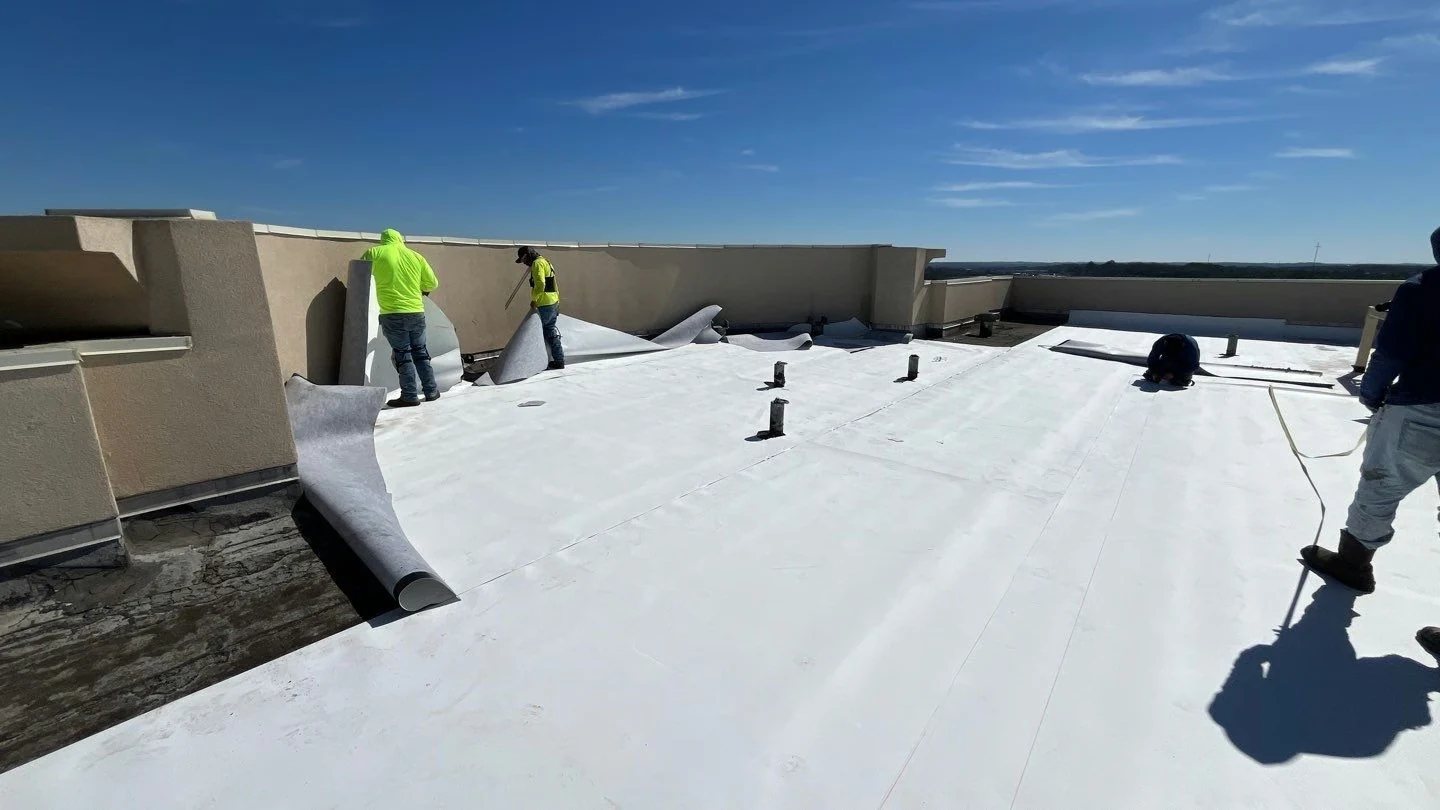
Sixty-mil TPO is the workhorse membrane for retail strips, quick-service restaurants, and smaller warehouse buildings across Laredo. It's the thinner of the two TPO thicknesses we install, priced for buildings where the roof doesn't need to survive decades of forklift traffic and dock-door abuse. We spec it constantly on the retail corridors off Bob Bullock Loop and around San Bernardo Avenue.
Where 60-Mil TPO Fits on a Laredo Roof
A 60-mil sheet works fine on a building with normal foot traffic - HVAC techs walking to rooftop units, the occasional inspection, nothing heavier. On a QSR pad site or a small retail strip along Del Mar Boulevard, that's the entire load profile. We don't push building owners toward the heavier 80-mil sheet on these jobs because there's no mechanical reason for it; the extra mils buy puncture resistance you won't use.
Where we draw the line is anything with rooftop mechanical yards, frequent maintenance access, or a tenant that stores anything on the roof. Once foot traffic gets regular, the thinner membrane starts showing wear faster than the warranty period assumes, and we'll say so before the contract is signed.
Reflectivity and the Border Heat Bill
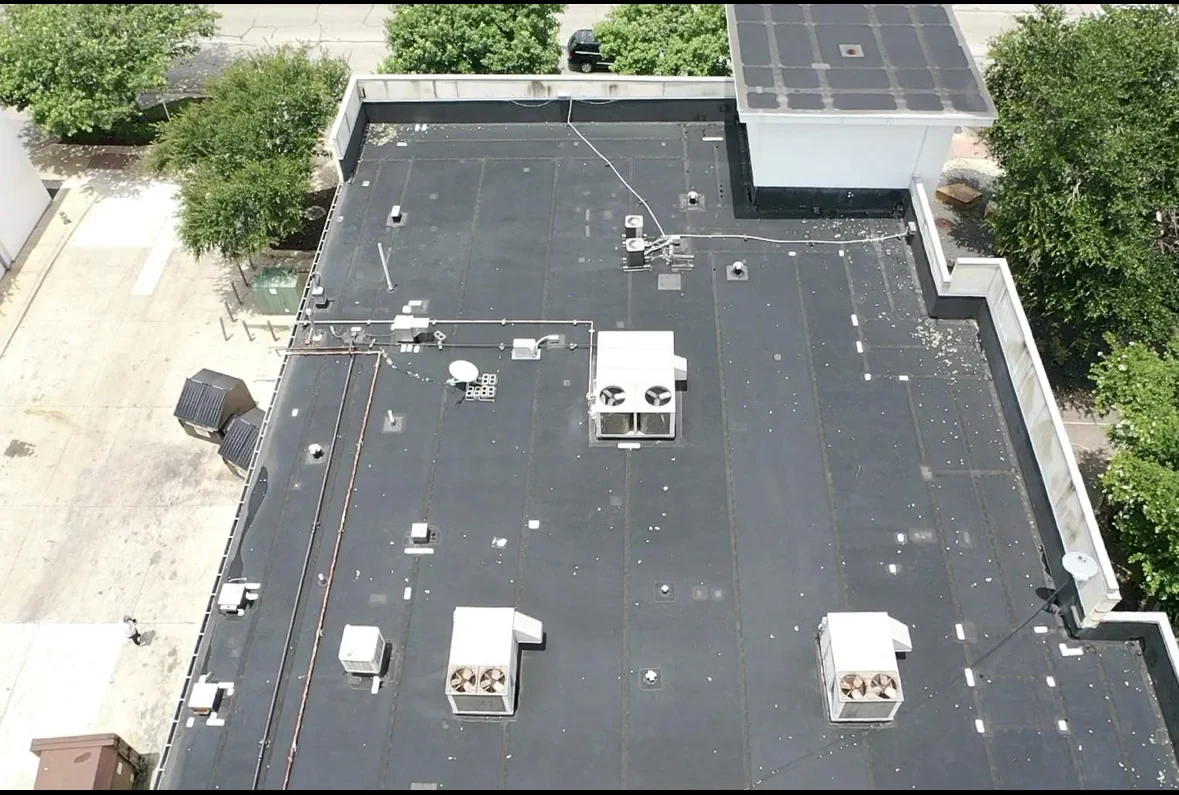
Laredo sits far enough south and gets enough clear-sky days that roof surface temperature is a real design variable, not a marketing point. A white 60-mil TPO membrane reflects most of the solar load that a dark built-up roof would absorb. On a small building that difference shows up as a few degrees less strain on an aging package unit, which matters when that unit is already working through a Laredo summer that routinely sits above 100 degrees for weeks at a stretch.
The membrane doesn't stay bright white forever. Border dust, diesel exhaust drift from nearby truck routes, and general airborne grit will dull the surface over several years. We tell owners upfront that reflectivity is a real number on day one and a declining number after that, not a permanent feature.
Seam Welding in Field Heat
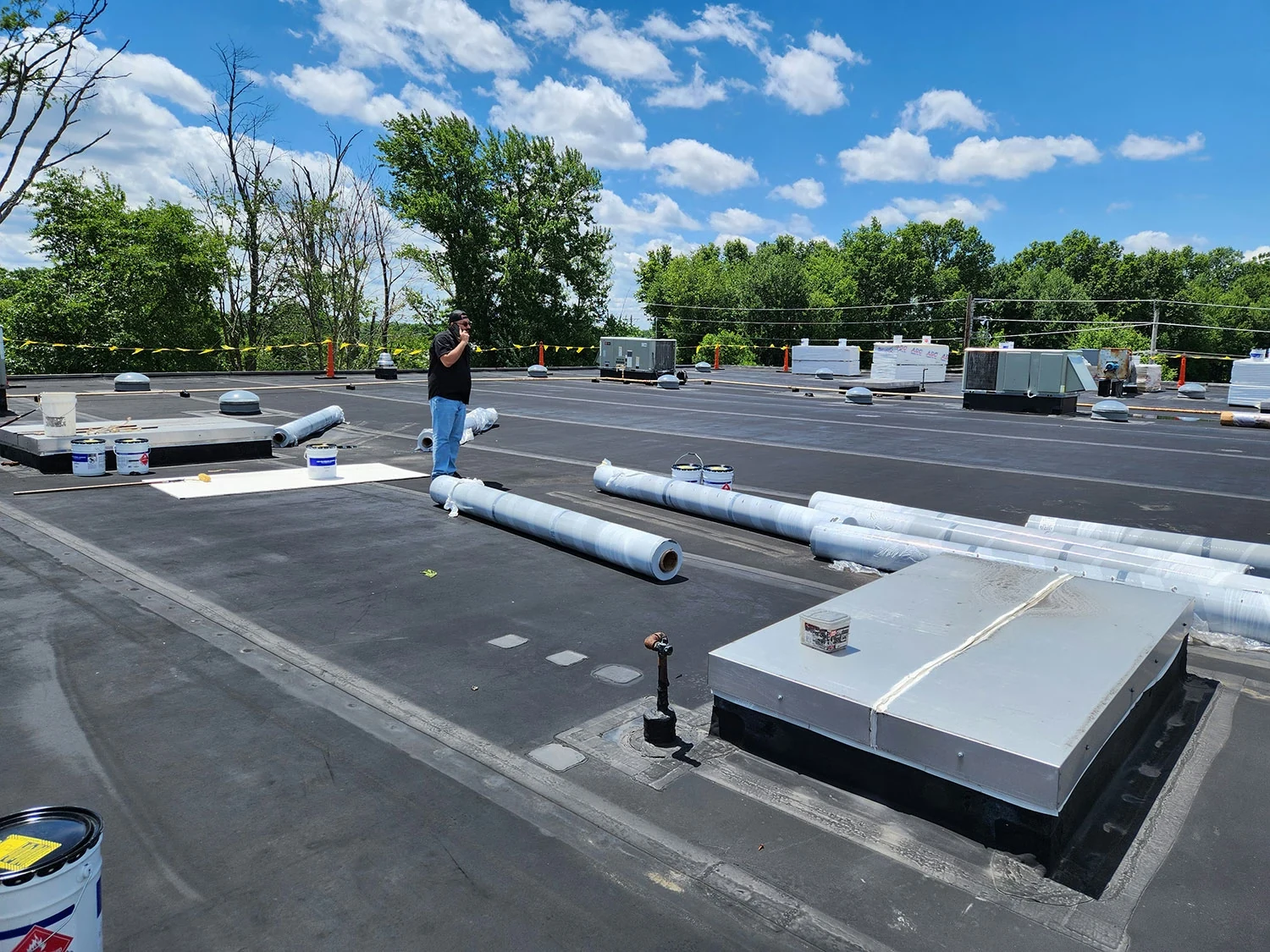
Hot-air welding TPO seams in Laredo summer conditions is its own discipline. Deck and membrane surface temperatures climb well past ambient air temperature by mid-morning, which changes how the material behaves under the welder and how fast a crew needs to move to keep weld quality consistent across a whole roof. We shift schedules to early mornings on TPO tear-offs and re-covers specifically because afternoon deck temperatures make weld quality harder to control and harder to verify.
Every seam gets probed before we leave the roof. On a 60-mil job that's usually a same-day process; the sheet is thin enough that a crew can move through a small building's seam runs in a single shift.
Wind and the Dryline Thunderstorm Problem
Laredo doesn't take hurricane landfalls, but the storms that do roll through here arrive fast and hit hard - dryline convection off Gulf moisture meeting the dry air on this side of the state can spin up sudden, violent thunderstorm cells with little warning. Wind uplift at a parapet edge or a rooftop unit curb is where a marginal fastening pattern shows its weakness first. We fastening-pattern every 60-mil install to the wind zone the building sits in, not a generic minimum, because the difference between a code-minimum pattern and a properly engineered one is exactly the membrane that's still attached after one of these cells passes through.
- Deck condition and fastener pull-out testing before membrane goes down
- Perimeter and corner zone fastening at tighter spacing than the field
- Termination bar and coping detail at every parapet run
- Pipe boot and curb flashing inspected penetration by penetration
- Post-install seam probe with results recorded, not merely performed
What We Document Before the Crew Leaves
Because a good share of our work on smaller buildings ends up tied to an insurance claim at some point in the roof's life - hail, wind, a tenant's rooftop equipment failure - we photograph and log the install the same way we'd want to see documentation if we were the adjuster. Deck photos before membrane, fastener pattern records, seam probe results, and flashing detail shots all get filed. If a wind event hits this roof years down the line, that paperwork is what turns a disputed claim into a straightforward one.
We don't promise a claim outcome to any owner. What we can promise is that the roof's install history won't be the reason a legitimate claim gets questioned. On a small retail building, that file is usually a handful of pages; we still keep it, because the roof that never needs it is the exception, not the rule, in this climate.
Questions Owners Ask About 60-Mil TPO
Is 60-mil too thin for a Laredo roof?
Not for the buildings it's meant for. On a low-traffic retail or QSR roof, 60-mil TPO holds up well through a normal service life. The mistake is using it on a roof with heavy foot traffic or storage, where the extra thickness of an 80-mil sheet earns its cost.
How long does a 60-mil TPO roof last in this climate?
Service life depends heavily on maintenance and how much UV and thermal cycling the roof takes, but a properly installed 60-mil system on a low-traffic building is a long-term investment measured in decades when it's inspected on a regular schedule.
Does color matter beyond reflectivity?
White is standard for the heat-load reason above. Some owners ask about gray or tan membrane for appearance reasons on street-facing parapets; we'll spec that if asked, but we point out the reflectivity tradeoff before doing so.
Can 60-mil TPO be recoated later instead of replaced?
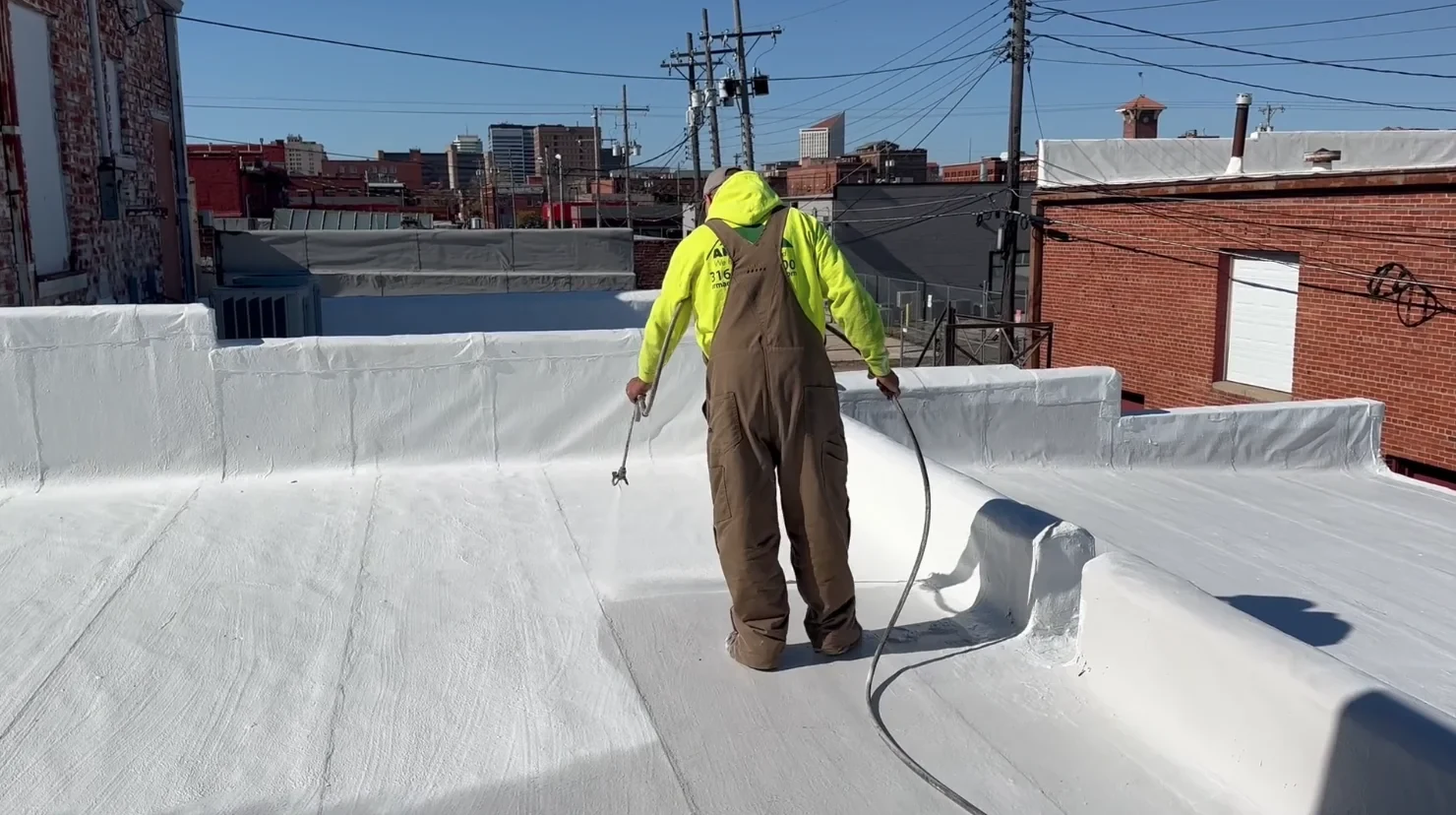
Yes, within limits. A TPO roof that's still structurally sound but has lost reflectivity or picked up minor seam issues is often a good candidate for a silicone recoat rather than a full tear-off - we evaluate that case by case.
What happens if a rooftop unit gets added after install?
Any new curb or penetration needs to be flashed and documented the same way the original install was. We get called back for exactly this scenario often enough that we recommend owners loop us in before a mechanical contractor cuts into the membrane, not after.