Documenting Roof Damage the Way an Adjuster Needs to See It
Good documentation doesn't decide a claim, but poor documentation can sink one before it gets a fair look. When we're called out after a storm or an active leak on a building with an insurance claim in motion, our job on the documentation side is straightforward: record what's actually there, with photos and measurements an adjuster can work with, and stay out of the parts of the claims process that are between the owner and their carrier.
This page focuses specifically on the photo and measurement record we build for an adjuster. For the full claim process, from initial damage documentation through a denied or underpaid claim, see our commercial roof insurance claim guide. If the damage in question came from a specific event, we also cover hail damage claims and wind and storm damage claims in more depth.
What Adjusters Look For
An adjuster reviewing roof damage wants clear photos tied to specific roof locations, measurements of affected area, and enough written description to understand cause and extent without guessing. Vague photos of a general roof area, or damage described only in broad terms, slow a claim down because the adjuster has to come back and ask for more before they can move forward. We document damage the way we'd want to see it presented if we were the ones reviewing the file.
Claims involving buildings near the World Trade Bridge and the surrounding industrial parks sometimes add another layer, since a claim tied to a bonded or customs-controlled facility can require additional access coordination before an adjuster ever sets foot on the roof. We flag that requirement early so scheduling the adjuster visit doesn't become its own delay in an already time-sensitive process.
Why a Pre-Loss Record Helps
A claim moves faster when there's a documented baseline of roof condition from before the storm event. If a property already has an inspection report from a maintenance program or a prior scheduled visit, that record gives an adjuster something concrete to compare against, rather than relying entirely on post-event photos to establish what changed. We recommend keeping any prior inspection reports on file for exactly this reason, well beyond their everyday value as routine record-keeping.
How We Photograph and Measure Damage
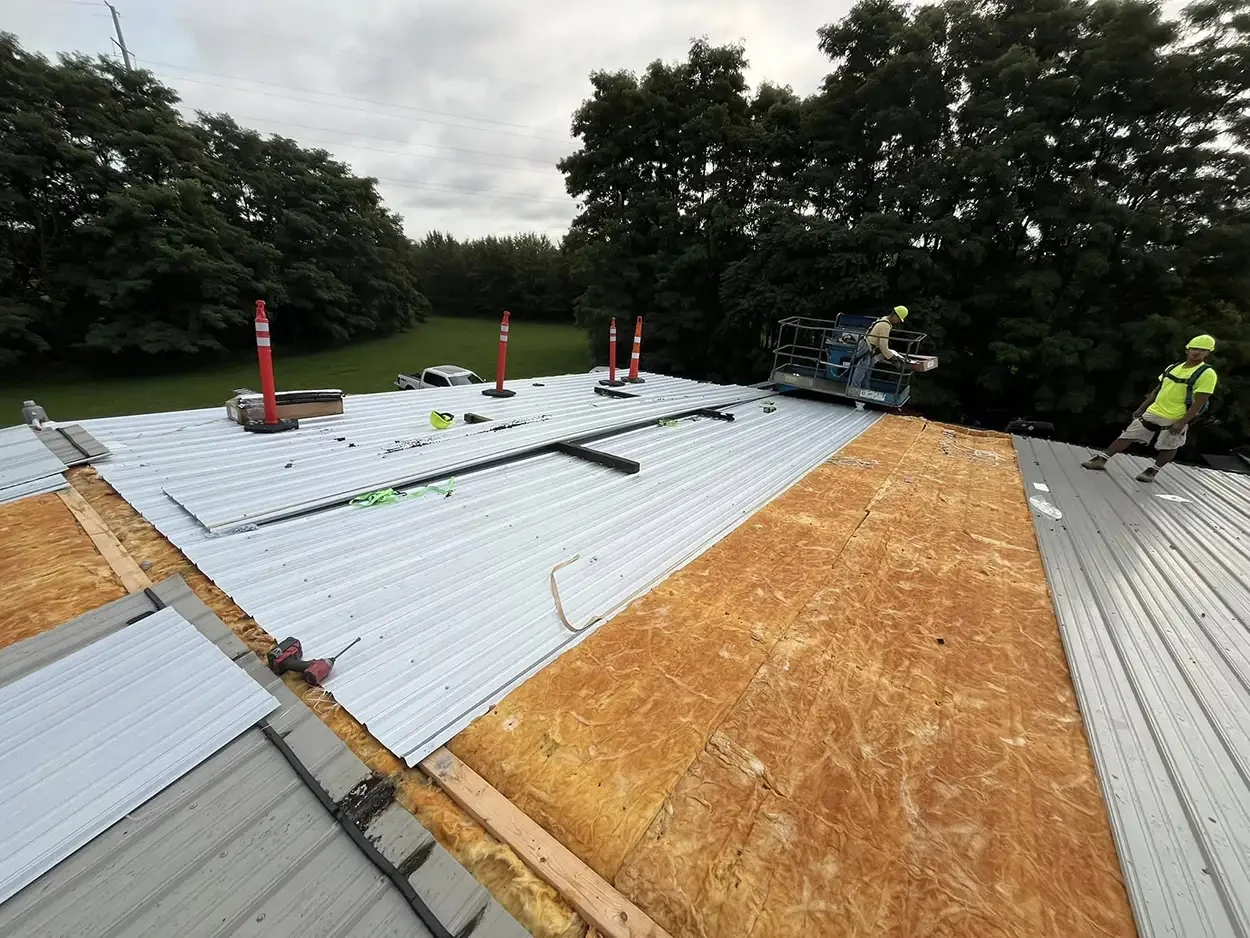
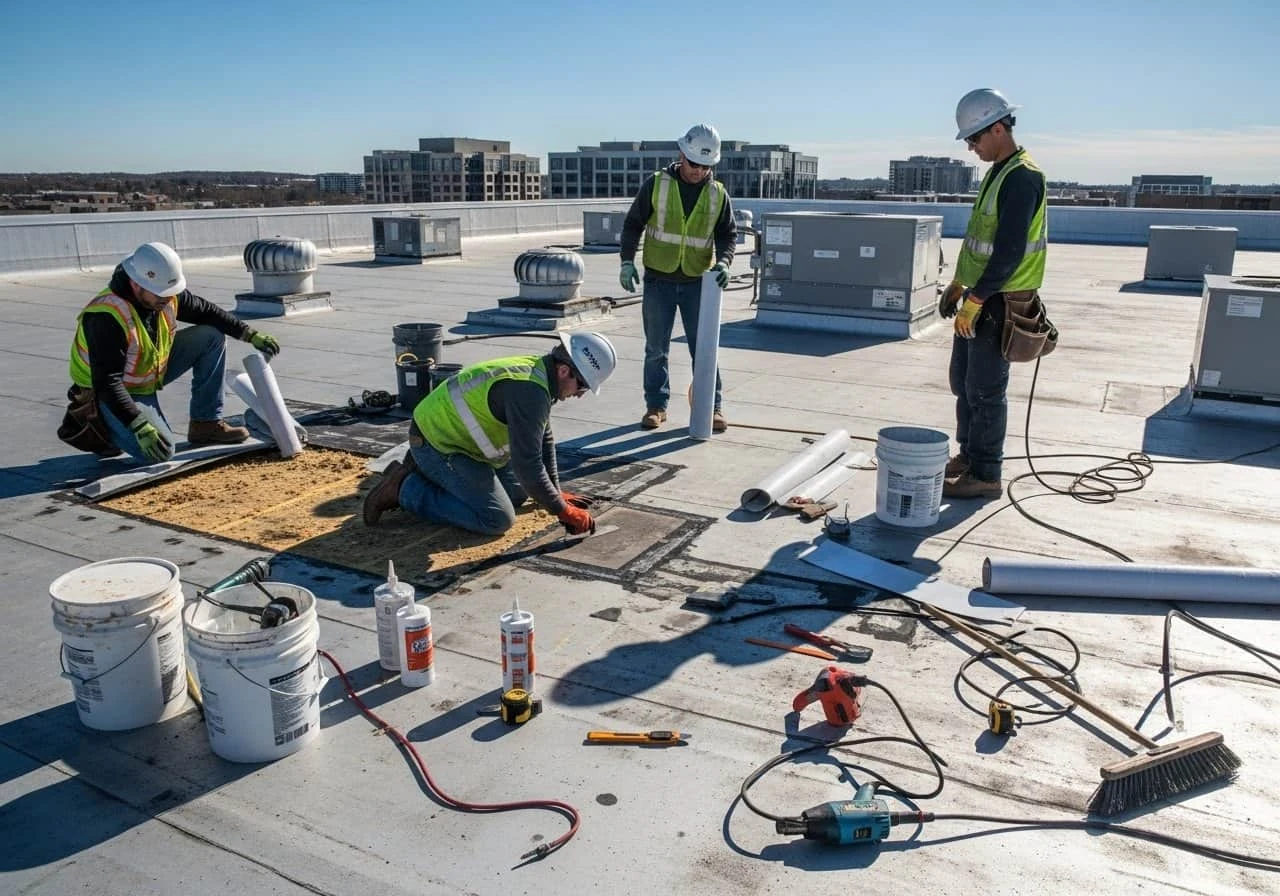
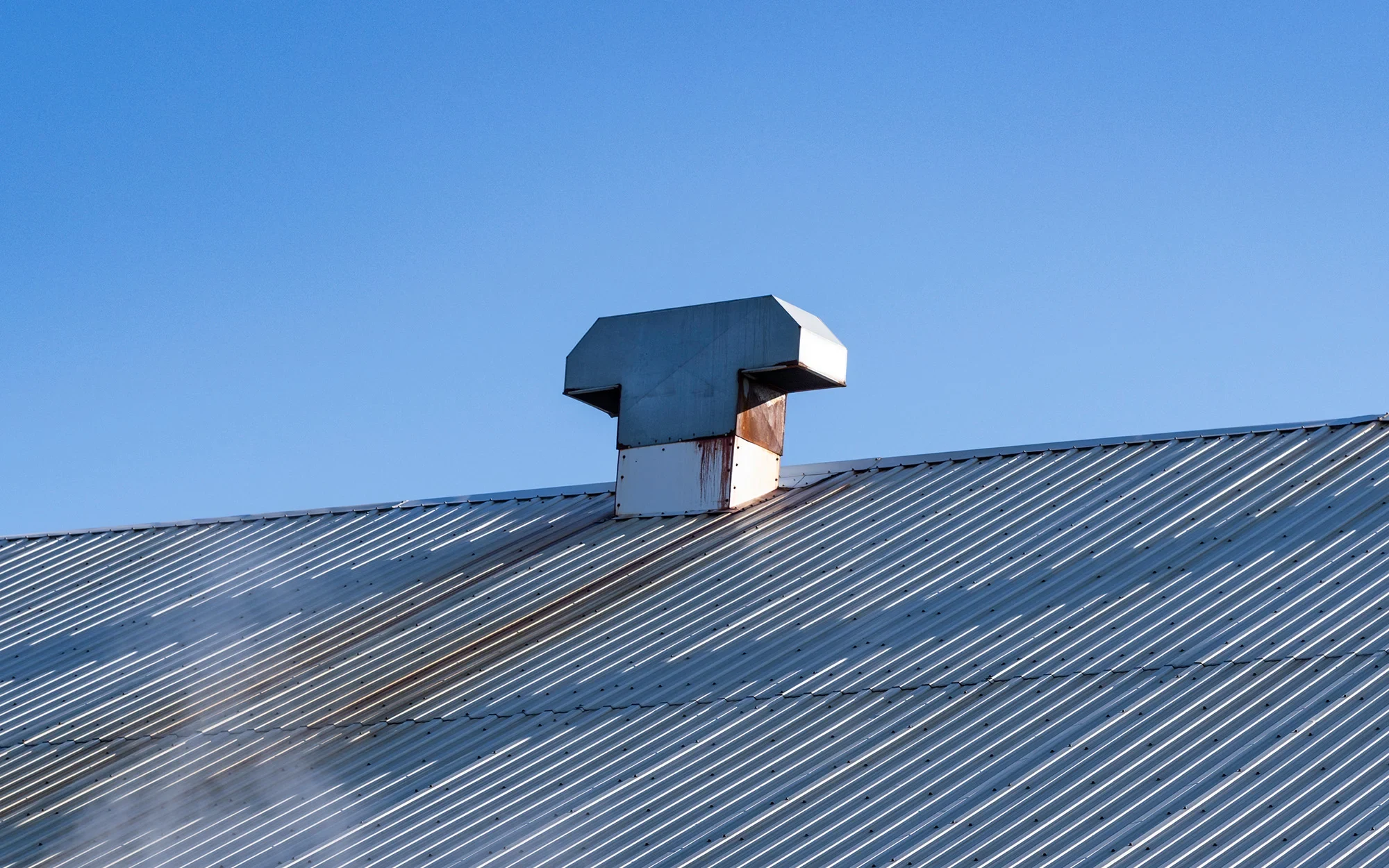
Every damage photo gets tied to a location reference on the roof, usually relative to a rooftop unit, drain, or edge detail that's easy to identify again later. We measure affected area rather than describing it in general terms, and we photograph both the damage itself and the surrounding unaffected area for context. On a large warehouse roof, that context matters, since a scattered pattern of damage across a wide area reads differently to an adjuster than a single concentrated section, and the photo set needs to show which pattern actually occurred. Here's what a typical documentation file includes for a storm damage claim:
- Wide-angle photos establishing the overall roof area and orientation
- Close-up photos of each specific damage point with a size reference
- Measurements of total affected square footage where relevant
- Notes distinguishing storm-caused damage from pre-existing wear
- Copies of any prior inspection or maintenance reports on file
- A written summary describing the likely cause of each damage type
Working Alongside an Adjuster
When an adjuster is scheduled to walk the roof, we're glad to be there to answer technical questions about the roof system, point out damage locations, and explain what we found during our own assessment. What we don't do is speak for the insurance company or tell an owner what their carrier is going to decide, since that call belongs entirely to the adjuster and the policy terms, not to the roofing contractor documenting the damage.
We keep our own scope of work separate from the adjuster's estimate as well. Our repair proposal reflects what we believe the roof actually needs, and if that differs from what an adjuster's estimate allows for, we say so plainly rather than adjusting our own numbers to match a figure that didn't come from an actual roof assessment.
What We Can and Can't Say About a Claim
We can document damage accurately, describe probable cause based on what we see on the roof, walk an adjuster through the roof system's construction, and provide a repair scope and cost estimate. We can't tell an owner their claim will be approved, predict what a carrier will pay, or guarantee an outcome, and we're direct about that distinction because owners deserve a straight answer rather than false confidence about a process we don't control.
We're your roofing contractor on this file, not a public adjuster, we document and substantiate the roof damage so you and your adjuster are working from an accurate scope.
Common Questions About Documentation Support
Do you work directly with insurance adjusters?
Yes, we're available to meet an adjuster on site, walk the roof with them, and answer technical questions about the damage and the roof system.
Can you tell me if my claim will be approved?
No. Claim decisions are made by the insurance carrier based on the policy and the adjuster's review. We provide accurate documentation to support that process but don't control or predict the outcome.
What if I don't have a prior inspection report on file?
We can still document current damage thoroughly, though a pre-loss condition record makes it easier for an adjuster to distinguish new damage from prior wear. Starting a maintenance or inspection record now helps with any future claim.
How soon after a storm should documentation happen?
As soon as reasonably possible, since damage details like debris location and the freshness of exposed material can change or get cleaned up before a full record is made.
Will you provide a written repair estimate for the claims file?
Yes, we provide a scope of repair and cost estimate that can be submitted as part of the claims documentation, separate from any determination the carrier makes about coverage.