Roof Reports Built for the Asset Manager Reviewing a Portfolio, Not a Building
If you manage a REIT's industrial or retail holdings in Laredo, you are rarely on site. You are comparing this roof against a dozen others in a portfolio, deciding what goes into next year's capital plan, and answering to an investment committee or a lender who wants numbers, not adjectives. That is the report we write.
A Single Building Report Has to Fit Into a Portfolio Model
Most CRE and REIT roof work we do starts with a request for a condition assessment tied to a specific asset, but the underlying purpose is almost always the same: feeding a capital expenditure model, supporting a refinance, or documenting due diligence ahead of an acquisition or disposition. We format findings so they slot into that model directly, with remaining useful life estimates, repair-versus-replace cost ranges, and a clear split between deferred maintenance and near-term capital needs.
That consistency matters more than any single finding. An asset manager comparing a Killam Industrial Park distribution building against a property in a different market needs the same categories and the same level of detail from every roof report, or the comparison falls apart.
Laredo's Industrial Growth Means More Roofs Entering the Portfolio at Once
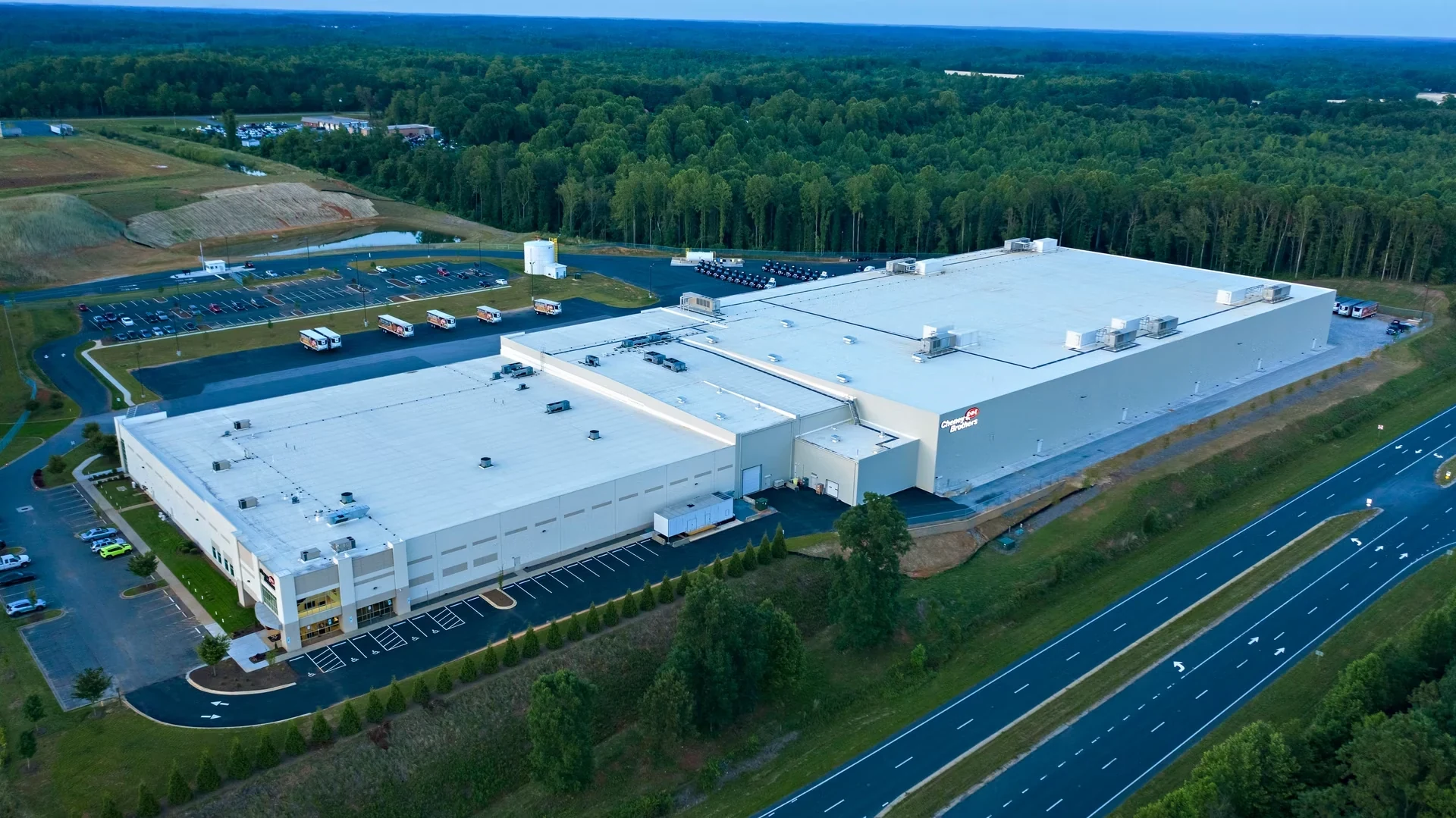
Cross-border trade volume through the World Trade Bridge has pulled sustained warehouse and distribution development into the Killam and Unitec corridors, and REITs acquiring or developing in that pipeline often bring several roofs into a portfolio in a short window. We can assess a batch of buildings on a coordinated timeline and deliver a single comparative summary across all of them, rather than a stack of unrelated single-property reports.
That batch approach also surfaces which properties share the same original roofing contractor, membrane vintage, or installation-era defect, information that matters when negotiating a purchase price or planning a phased capital program across the portfolio.
What Goes Into an Underwriting-Ready Roof Assessment
- Membrane type, approximate installation age, and manufacturer where identifiable
- Remaining useful life estimate with the basis for that estimate stated plainly
- Repair-versus-replace cost range broken out by scope
- Photo documentation organized by roof section, not a single narrative block
- Warranty status and any transfer requirements tied to ownership change
- Drainage and structural observations that could affect insurance underwriting
Roof Reports as Part of Due Diligence, Not an Afterthought to It
When a Laredo industrial or retail asset is under contract, roof condition is one of the line items a buyer's inspection team wants answered fast, often on a tight due-diligence clock. We can turn an assessment around on the timeline a transaction demands and write it so it can be shared directly with the buyer's lender or insurance underwriter without a second round of questions.
We also flag, in plain terms, anything that would materially change a purchase price negotiation, rather than burying a significant finding inside routine maintenance language.
That matters more in this market than a passive owner might expect. Development along the Killam and Unitec corridors has moved fast enough that some buildings changing hands were built to a schedule where roofing quality varied by which crew a developer had under contract that quarter. A buyer's underwriting team wants to know whether the roof in front of them reflects the developer's best work or a rushed phase, and we say so directly rather than softening the finding to keep a transaction moving.
Coordinating With Property Management Without Losing the Asset-Level View
On most REIT-owned buildings, day-to-day roof issues get reported by an on-site property manager, but capital decisions run through the asset manager. We keep both loops informed: the property manager gets the operational fix, and the asset manager gets the capital-level summary tying that fix into the longer roof life projection. See our property management page for how that day-to-day coordination works.
We also keep a consistent point of contact across the relationship instead of rotating whoever answers the phone that week, which matters when an asset manager overseeing a Laredo property from another market wants continuity between this year's inspection and next year's follow-up rather than starting the history over with a new name each time.
Insurance Renewal and Reinsurance Support
Roof condition affects insurance placement, and a REIT's risk management team often needs current documentation ahead of a policy renewal or a reinsurance review. We can turn a condition summary around specifically for that purpose, formatted the way a broker or carrier underwriter typically requests it, so the roof does not become the item holding up a renewal submission.
Questions Asset Managers Ask Before Approving a Roof Scope
Can you deliver reports formatted for our capital planning software?
We can organize findings by the categories most CapEx models use: remaining useful life, deferred maintenance, and near-term capital, so the report drops into your existing process rather than requiring reformatting.
Do you assess multiple properties on one coordinated schedule?
Yes. Batch assessments across a portfolio segment let us deliver a single comparative summary instead of separate reports that are hard to weigh against each other.
How fast can you turn around a report for a due-diligence deadline?
We build our field schedule around the transaction clock when a deal is in play, and we write findings so they can go straight to a lender or underwriter.
Will your report hold up with an insurance underwriter?
We document membrane condition, drainage, and structural observations at the level of detail underwriters typically request, including photos organized by roof section.
What if the on-site property manager and the asset manager need different information?
We write both: an operational summary for whoever manages the building day to day, and a capital-level summary for whoever owns the budget decision.