Public Building Roofs Answer to a Bid File Before a Work Order
City and county buildings around downtown Laredo, from courthouse annexes to municipal service yards, go through a procurement process that private commercial roofing rarely does. We scope and document public-sector roof work with that process in mind from the first site visit.
Procurement Changes the Timeline, Not the Urgency of the Problem
A leak in a county records room or a city office doesn't wait for a budget cycle, but the roof fix that follows often has to move through competitive bidding, board approval, or a purchasing department's requirements before work can start. We write our inspection and scope documents so they hold up as bid specifications rather than internal Diligence Notes.
For emergency situations, an active leak threatening records, equipment, or occupied space, we handle interim protection immediately and separately from the longer procurement path for the permanent fix.
We've learned that a public building's roofing decision usually involves more stakeholders than a private building's does, so our reports are written for a purchasing agent and a facilities director to both read the same document and reach the same conclusion.
We also keep our scope language specific enough that it can be compared apples-to-apples against another contractor's bid, since a purchasing department evaluating multiple proposals needs to know the quotes describe the same actual repair rather than similar-sounding line items with different scopes hidden inside.
Older Public Buildings Carry Roof Systems From Several Eras
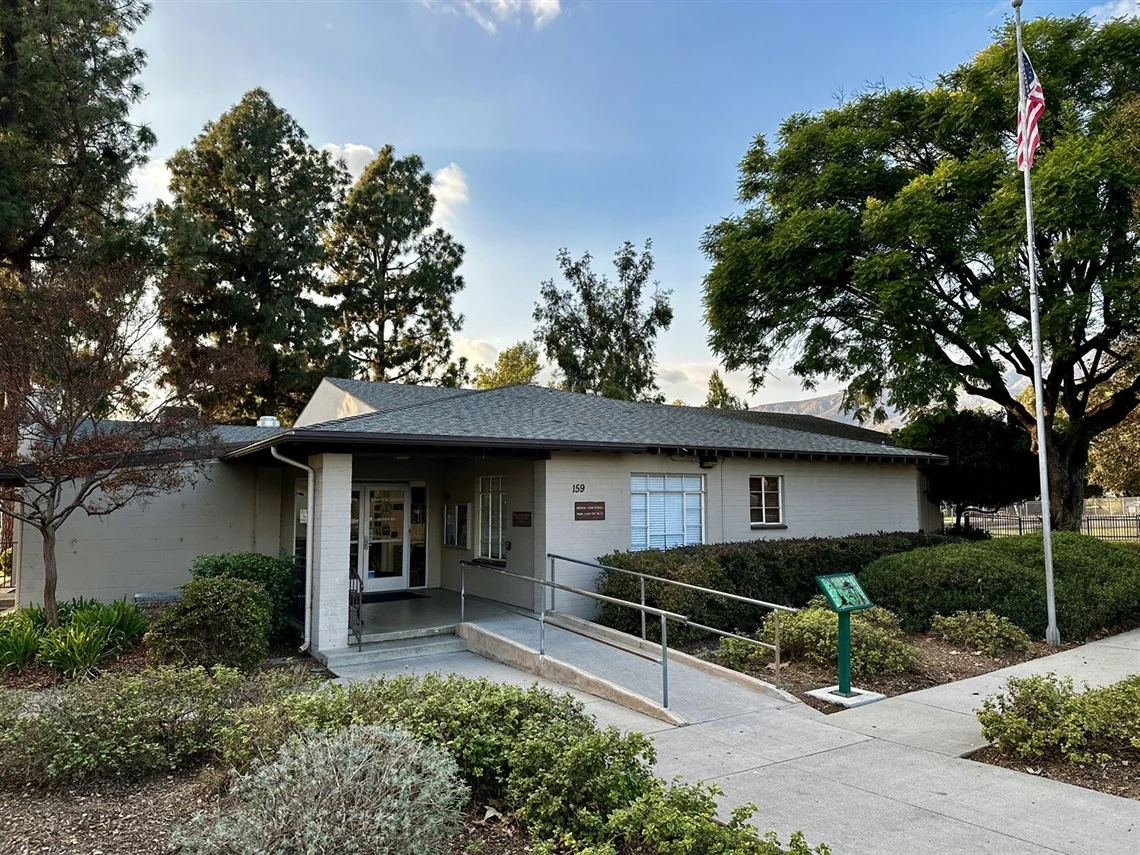
Downtown Laredo's government buildings range from older brick structures with built-up roofing added in phases to newer municipal service buildings with single-ply membrane from the start. Each generation of roof on a public campus tends to need a different repair approach.
We inventory roof age and system by building, and where a campus has multiple structures, we prioritize which roof needs attention first based on actual condition rather than treating the whole campus as one project.
Downtown buildings sometimes have appearance considerations from the roofline visible at street level, and we account for that in the scope before it becomes a surprise at approval time.
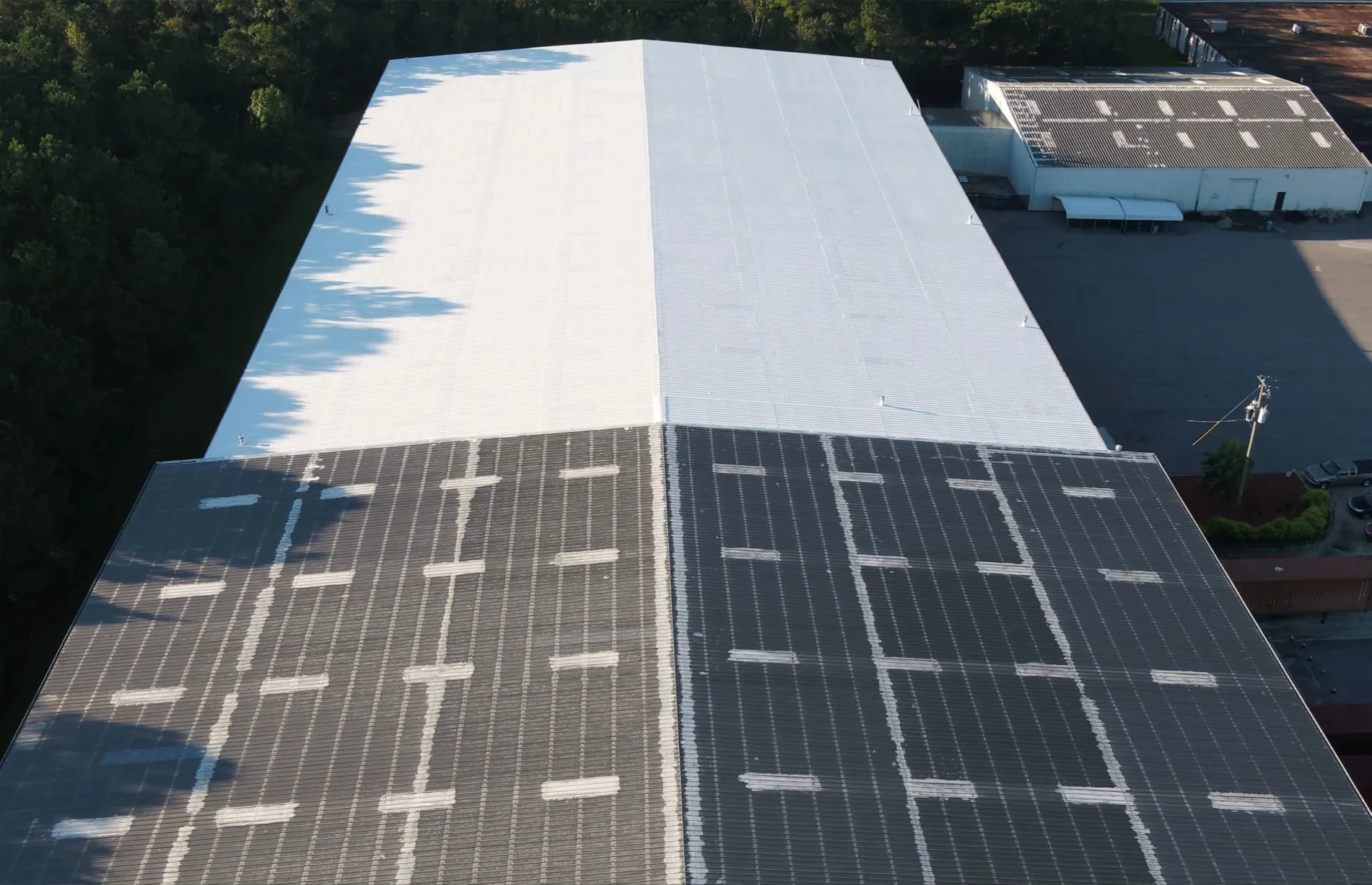
Where a public campus has a mix of an aging built-up roof next to a section that's already been converted to single-ply, we note that difference plainly rather than recommending the same fix for both, since the remaining service life on each section is rarely the same.
Documentation for Public Funds Has to Be Thorough
Public roofing work gets reviewed more closely than private work, both before approval and after completion, so our documentation covers roof measurements, photos of existing conditions, and a clear scope of what's being replaced versus repaired.
When storm damage hits a public building, that same documentation becomes part of the record for any insurance or disaster-relief funding process the entity pursues, so we build the file the same way regardless of funding source.
We don't speculate about funding outcomes. We provide the condition record and scope that a funding decision depends on.
We also retain our own copies of every survey and report we produce for a public entity, since these documents sometimes get requested again years later for an audit or a records request, and having the original photo-dated file on hand saves the facility from tracking down an old paper copy.
For entities managing several buildings across a downtown campus, we also note which roofs are approaching the end of their expected service life so the same conversation doesn't have to happen building by building as each one starts leaking on its own timeline.
We're also available to walk a purchasing agent or council member through our findings in plain language before a vote, since a report full of roofing terminology doesn't help a decision-maker who isn't a roofing professional make a confident call on public spending.
- Roof condition surveys formatted for competitive bid specifications
- Emergency interim protection for occupied public buildings
- Multi-building campus roof prioritization
- Built-up and modified bitumen roof repair for older municipal structures
- Documentation packages for public-funds review
- Storm damage assessment for government facilities
Working Around Occupied Public Buildings
Courthouse annexes, permit offices, and service buildings stay open to the public during business hours, and roof work over an occupied lobby or records area needs noise and access planning that a vacant warehouse doesn't require.
We schedule loud work outside peak public hours where the building's use allows it, and we coordinate directly with facilities staff on which entrances or parking areas need to stay clear during the project.
For buildings that can't close, we section the work so only the area directly below the active roof section is restricted at any given time.
Questions From Public Facilities Managers
Can you provide documentation formatted for a competitive bid process?
Yes, our roof condition reports and scopes of work are written to serve as bid specification documents rather than internal notes.
What happens if a public building has an active leak before a bid can be approved?
We handle interim protection and drying-in immediately, separate from the longer procurement timeline for the permanent repair.
Do you work on older built-up roofs found on historic downtown buildings?
Yes, we repair and, where appropriate, recommend replacement of built-up and modified bitumen systems common on older municipal structures.
How do you prioritize roof work across a multi-building campus?
We survey every building's actual condition and rank the work by urgency and risk, rather than assuming the oldest-looking roof is automatically the most urgent.
Can work happen while the building stays open to the public?
Yes, we section the work and schedule the noisiest phases around your public hours wherever the building's operations allow it.