Grocery Roofs Carry Refrigeration Equipment the Rest of the Building Depends On
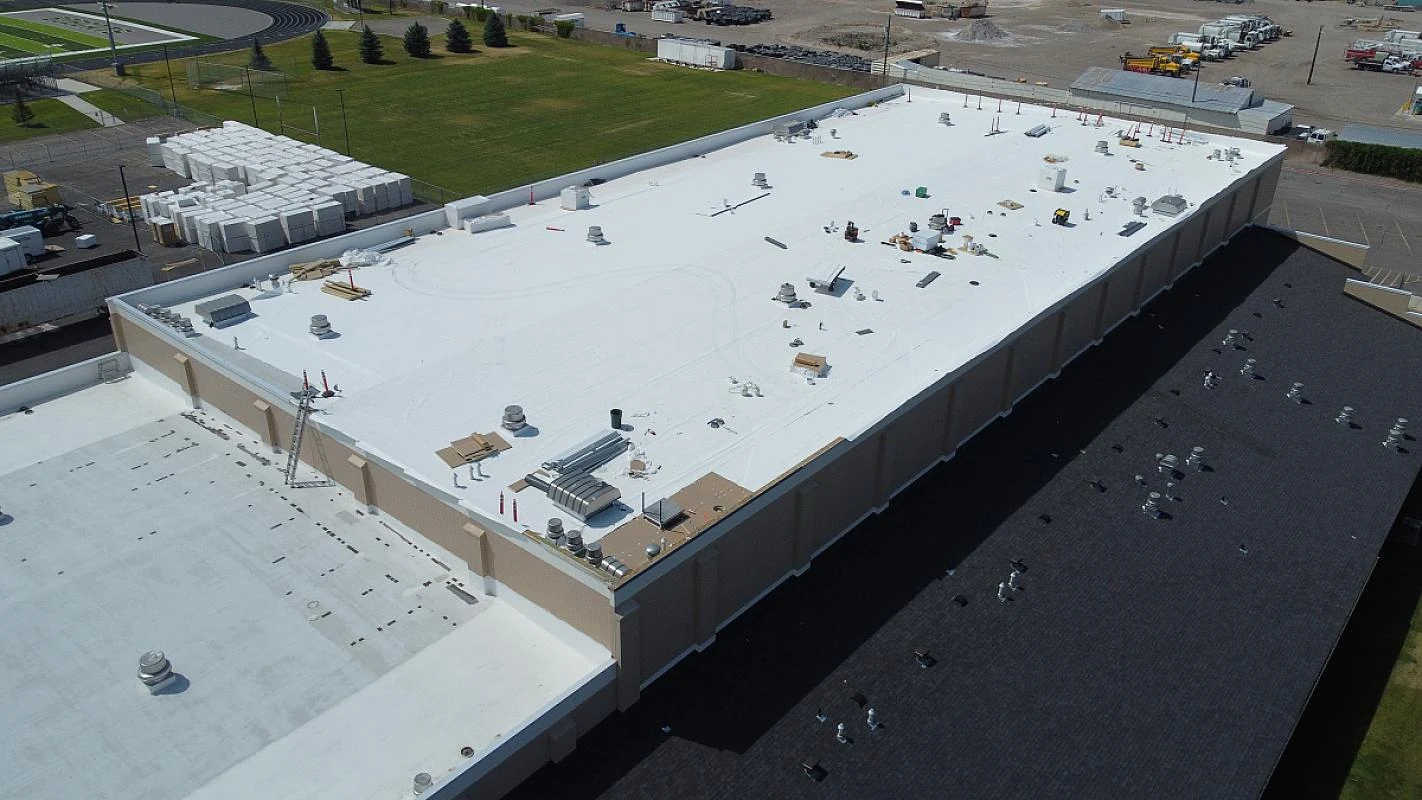
A grocery-anchored roof in Laredo does more than shed rain, it's the platform for the compressor racks and condenser units keeping every cooler and freezer case inside running. We treat rooftop refrigeration equipment as part of the roofing scope, not something to work around.
Compressor Racks Add Weight and Vibration the Original Roof Didn't Plan For
Grocery stores frequently upgrade or add refrigeration capacity over the years, and each new compressor rack or condenser unit sits on a curb that has to be flashed correctly and rated for the load and vibration of equipment running continuously. A curb installed for a lighter unit years ago doesn't automatically handle a heavier replacement.
We check curb condition and flashing every time we inspect a grocery roof with refrigeration equipment, because vibration loosens fastener patterns and sealant faster around this kind of equipment than around a static HVAC unit.
When a store adds refrigeration capacity, we coordinate with the mechanical contractor on curb specifications before the new unit goes up, so the roofing detail matches the equipment instead of getting adjusted after the fact.
We also see condensate lines from rooftop refrigeration equipment routed across the membrane in ways that trap standing water underneath the line itself, and correcting that routing is a small fix that prevents a slow, hard-to-trace leak from developing over time.
A Leak Over the Sales Floor Is a Different Emergency Than a Leak Over a Stockroom
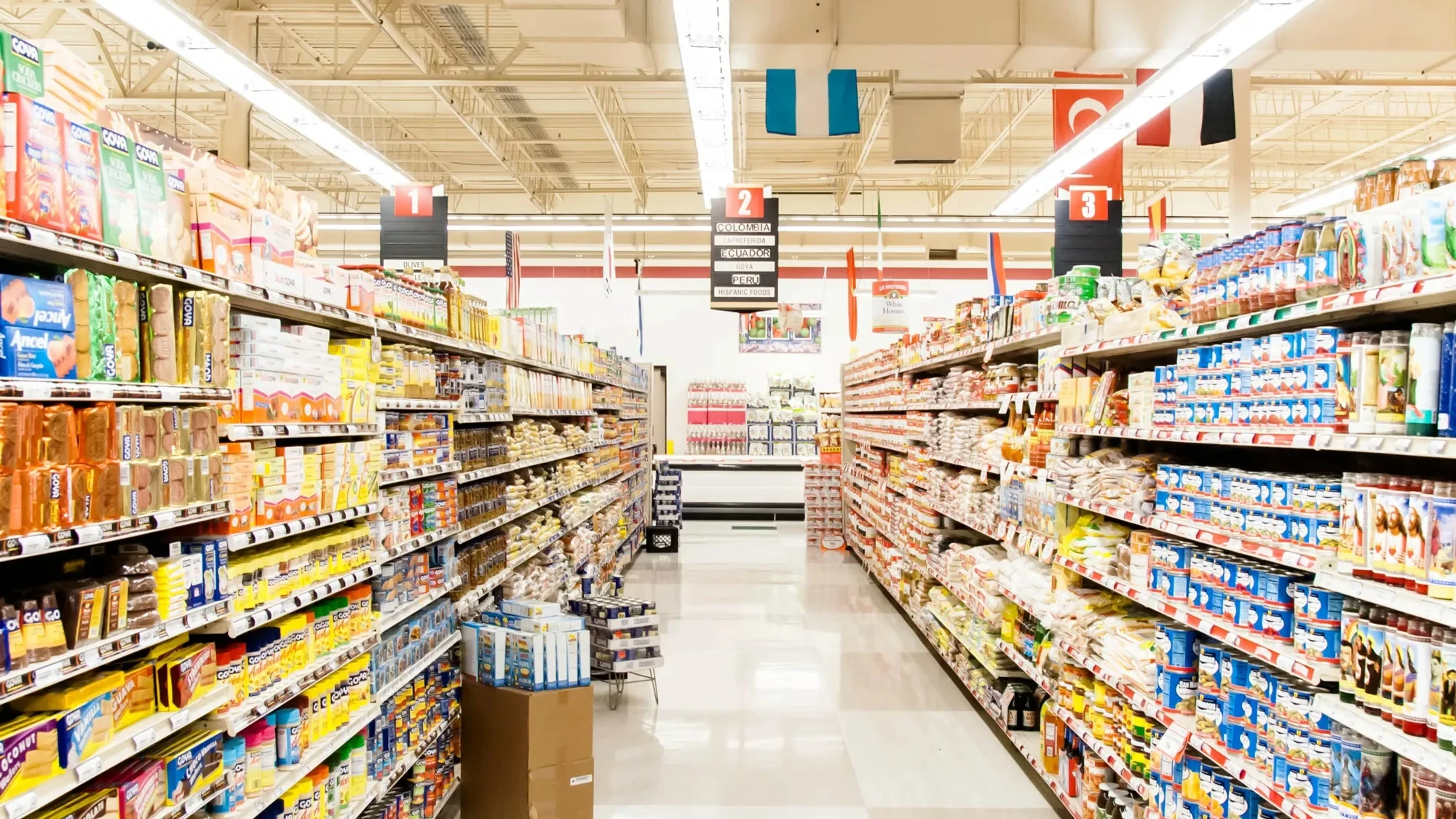
Water coming through the roof over produce displays, dairy cases, or the sales floor creates a food-safety and slip-hazard problem within minutes, which makes response time on a grocery-anchored building different from most other commercial roofs we service.
We prioritize active grocery leaks and get a crew on the roof to identify and dry-in the source while store staff manages the interior, and we document the leak location relative to the affected sales area for the store's own incident records.
For strip centers with a grocery anchor and smaller tenant spaces on either side, we trace the leak to the specific roof section first, since water can travel along the deck before it shows up on the ceiling tile below.
We keep a portable moisture meter on the truck for exactly this reason, since a stained ceiling tile over the dairy case doesn't always mean the leak is directly above it, and guessing wrong wastes a day the store doesn't have.
For grocery stores anchoring a strip center, we also check whether the leak stops at the grocery tenant's roof section or extends into a neighboring storefront, since a shared parapet or drainage line sometimes carries water further than the visible ceiling damage suggests.
We also walk stockroom and receiving areas as part of any leak inspection, since a slow drip over palletized dry goods can go unnoticed longer than one over the sales floor, and by the time it's visible the product loss is often further along than a quick glance would suggest.
Minimizing Disruption to a Store That Never Really Closes
Grocery stores run long hours and high foot traffic almost every day of the week, so scheduling roof work means finding windows that don't put crews and material staging over active parking lot traffic or loading dock deliveries during peak hours.
We coordinate directly with store management on delivery schedules and customer traffic patterns before setting a project timeline, rather than assuming a standard business-hours schedule works for every location.
Noise-sensitive work gets scheduled during overnight or early-morning hours where the store's operations allow it, particularly for anything directly over the sales floor.
- Refrigeration curb inspection and flashing repair
- Emergency leak response over sales floor and cooler areas
- Roof section tracing for strip centers with grocery anchors
- Coordination with mechanical contractors for equipment upgrades
- Scheduled maintenance around store operating hours
- Full membrane replacement and recover for grocery-anchored buildings
Documentation That Supports Both Insurance and Store Operations
When storm damage or equipment failure causes a grocery roof leak, we document the damage with photos and notes on which refrigeration or sales area was affected, which supports both an insurance claim and the store's own internal incident reporting.
We don't promise how a claim will resolve, but we make sure the documentation reflects exactly what happened and when, which is what a claims adjuster needs to move the file.
For grocery chains managing multiple Laredo locations, we keep consistent records across stores so a regional facilities manager can compare roof condition location to location.
Grocery Roofing Questions We Get Most
How fast can you respond to an active leak over the sales floor?
We treat these as priority calls and get a crew on site to locate and dry in the leak source as quickly as the situation allows.
Do you coordinate with our refrigeration contractor when adding new equipment?
Yes, we work directly with the mechanical contractor on curb sizing and flashing details before new compressor or condenser units go up.
Can roof work happen without closing the store?
In almost every case, yes. We schedule around your delivery windows and peak customer hours and keep the work footprint away from active entrances.
What causes most leaks on grocery-anchored roofs?
Flashing failure around refrigeration curbs from vibration and age, more often than failure in the open membrane field.
Do you work with multi-location grocery chains across Laredo?
Yes, and we keep documentation consistent across locations so a regional facilities team can track roof condition across their footprint.