TPO Membrane Roofs for Laredo's Cross-Dock Warehouses
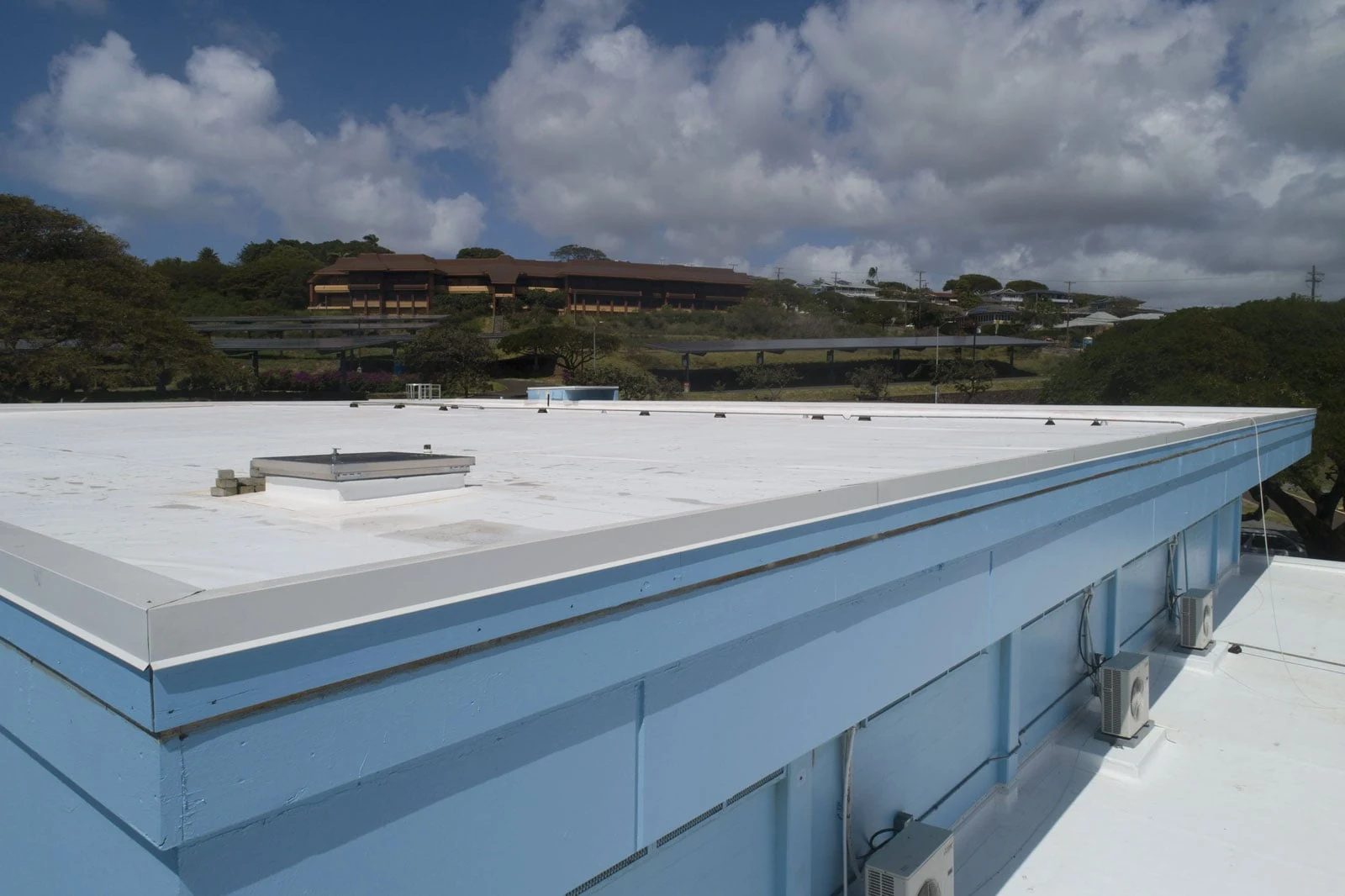
TPO is the single-ply membrane we install most often on Laredo's warehouse and distribution roofs, largely because its reflective white surface pushes back against a roof climate that spends half the year over 100 degrees. It is not the only membrane that works here, but on large low-slope buildings it is usually the one that makes the most sense first.
Why Reflectivity Matters More in Laredo Than Most Cities
A black roof surface in Laredo can run considerably hotter than the air temperature on a summer afternoon, and that heat load transfers straight into the building below. On a cross-dock warehouse near the World Trade Bridge with rooftop condensers already working overtime, a reflective TPO membrane takes some of that thermal load off the HVAC and refrigeration equipment mounted on the roof.
The membrane itself benefits too. TPO's white or light-gray surface stays cooler than dark membranes through the worst of the summer, which slows the rate at which UV and heat degrade the polymer over time. We still expect more wear on south- and west-facing roof slopes than on the north side of the same building, so inspections check those areas first.
Seam Welding in Extreme Heat
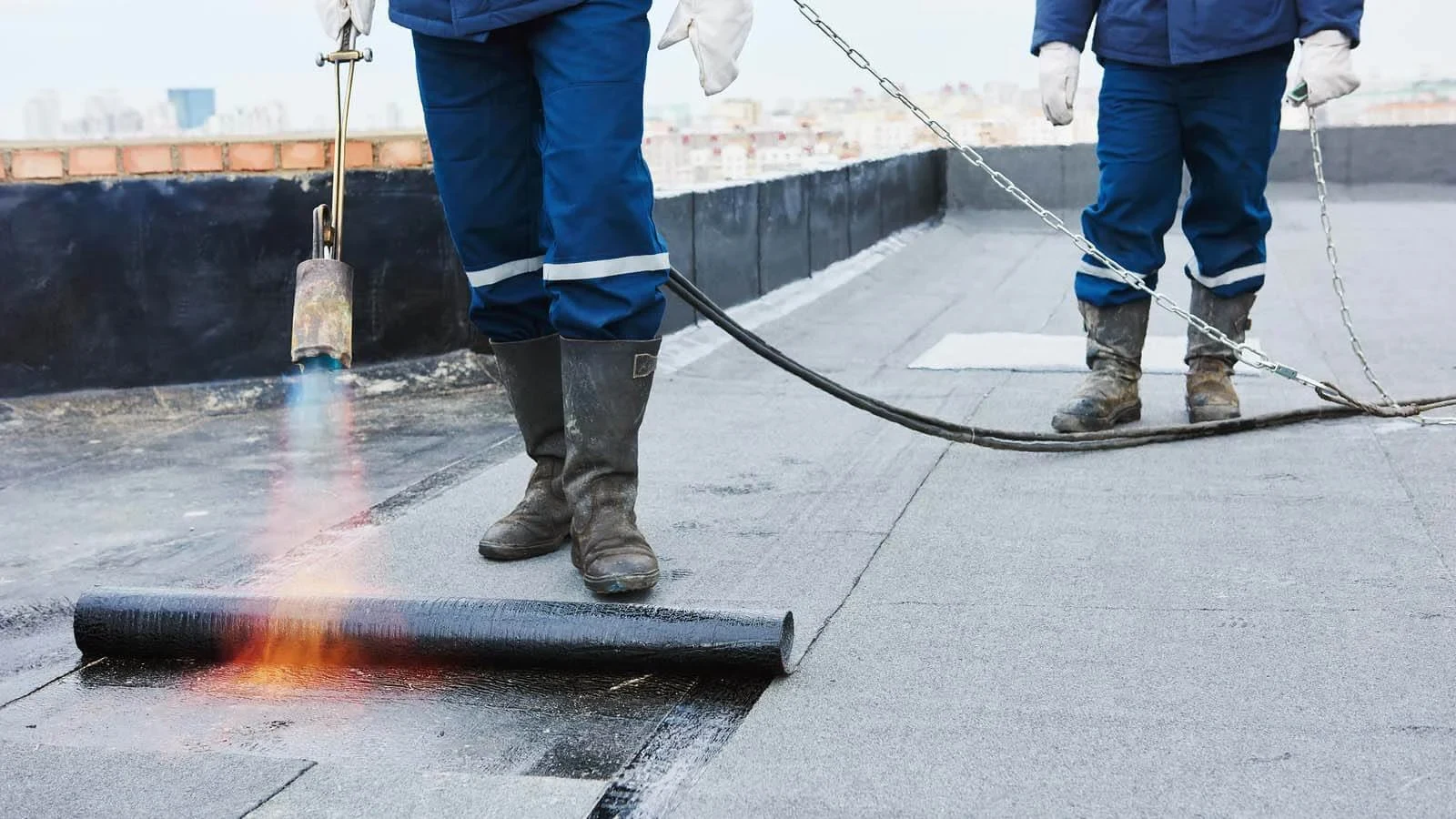
TPO seams are heat-welded, and installing them correctly in a climate like Laredo's takes more scheduling discipline than the manufacturer's install guide assumes for a mild-climate job. Deck surface temperatures on a July roof can be high enough by mid-morning to affect adhesive tack time and seam quality, so crews often start early and adjust the welding schedule around the heat of the day rather than pushing through it.
A poorly welded seam is one of the first places a TPO roof fails, and it usually fails quietly, showing up as a slow leak months later rather than an obvious tear. We probe seams during inspections rather than assuming a membrane that looks intact underneath is sealed the way it should be.
Where TPO Fits on Laredo's Building Stock
Large low-slope warehouse and distribution roofs in the industrial parks along Mines Road and Loop 20 are the clearest fit for TPO: big open membrane fields, fewer penetrations per square foot than a retrofit retail building, and rooftop equipment loads that benefit from the reflective surface. Cold storage and reefer facilities in particular gain from lower rooftop surface temperatures around condenser units.
TPO also works on retail strips and office buildings, though those roofs tend to have more penetrations, parapet detail, and rooftop unit curbs per square foot, which changes how much of the labor goes into flashing versus field membrane.
- Cross-dock and transload warehouse roofs with large open membrane fields
- Cold storage and refrigerated distribution buildings with rooftop condenser loads
- Big-box retail and grocery roofs with moderate penetration counts
- Office and medical buildings replacing aged EPDM or built-up systems
- Roofs where reducing rooftop equipment heat load is a stated priority
Membrane Thickness and Attachment Choices
TPO comes in different thicknesses and attachment methods, and the right combination depends on wind exposure, roof traffic, and how the deck is built. Mechanically attached systems are common on new construction and full replacements; fully adhered systems show up more often on recover projects where minimizing roof penetrations matters, especially over an existing customs-bonded warehouse where the building cannot come fully offline.
Thicker membrane adds puncture resistance, which matters on roofs with regular foot traffic from HVAC technicians, satellite or antenna work, or rooftop unit servicing. We flag membrane thickness as a line item in the scope rather than letting it get buried in a single per-square-foot number.
Maintenance and What Shortens a TPO Roof's Life
The membrane itself usually is not what fails first. Seams, flashing details, pipe boots, and drain connections wear out well before the membrane field does, and a maintenance inspection focused only on the field membrane misses most of the actual risk. We check those detail areas every visit instead of only the open field.
Ponding water is the other issue we watch for on TPO roofs with marginal slope. Standing water accelerates membrane aging and can hide a small puncture until it becomes an active leak. If a roof is ponding regularly, that is a drainage conversation first, ahead of a membrane conversation.
TPO Questions From Laredo Property Owners
Does TPO actually reduce cooling costs on a warehouse roof?
A reflective membrane lowers rooftop surface temperature, which reduces heat transfer into the building and the thermal load on rooftop equipment, though the exact effect on a utility bill depends on insulation, HVAC condition, and building use.
How long do TPO seams typically last before needing attention?
Seam life depends heavily on installation quality and ongoing roof traffic more than age alone, which is why we probe seams directly during inspections instead of estimating from membrane appearance.
Can TPO be installed as a recover over an existing roof?
Often yes, if the existing insulation is dry and the deck is sound. We check both before recommending a recover instead of a full tear-off.
Is TPO a good fit for a cold storage building?
Yes, the reflective surface helps limit rooftop heat gain around condenser units, which is one of the more common reasons we see TPO specified for reefer and cold storage roofs.
What causes most TPO roof leaks in this climate?
Failed seams, worn pipe boots, and damaged flashing account for most of what we find, more often than the open membrane field itself.